
Coming from the mecca of brick that is London, Stockholm was a bit of a shock. Out of the entire network something like 0.2% is brick. Now this may sound a bit disappointing, in a way it was, but Stockholm had its own charm in the form of rock blasted tunnels! However, have fun finding them!. Due to certain legislation passed by the government, none of the drains are not allowed to discharge into the river under any circumstance, which means no outfalls! At all.
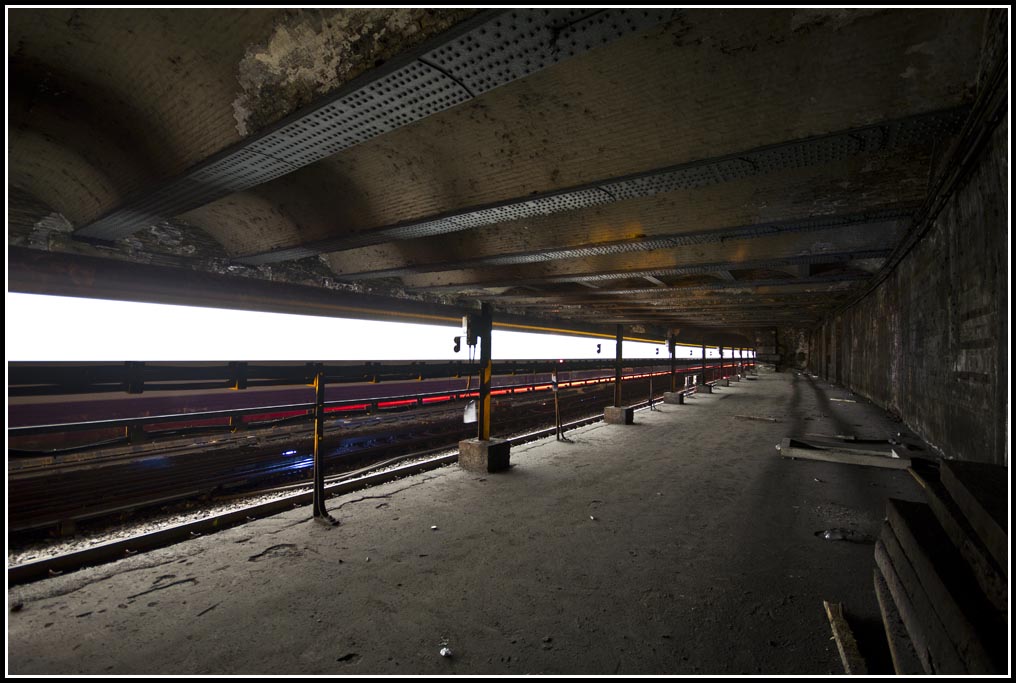
The Magic Door was just a brief glimpse of what the tube had to offer, its treasure there for the taking if you knew where to look. Unlike Paris, little remains in the tube stations of london. The glamorous tiles, signs and decals stripped away to reveal the cold concrete underbelly. Sure the platforms and general structures still exist, but much like a hooker without makeup, its just not as appealing. However small relics and gems are still there to be discovered by the observant traveler.

Clapham North Deep Level. Yawn, it was stripped bare and had no character like its southern counterpart. Go look at that instead.
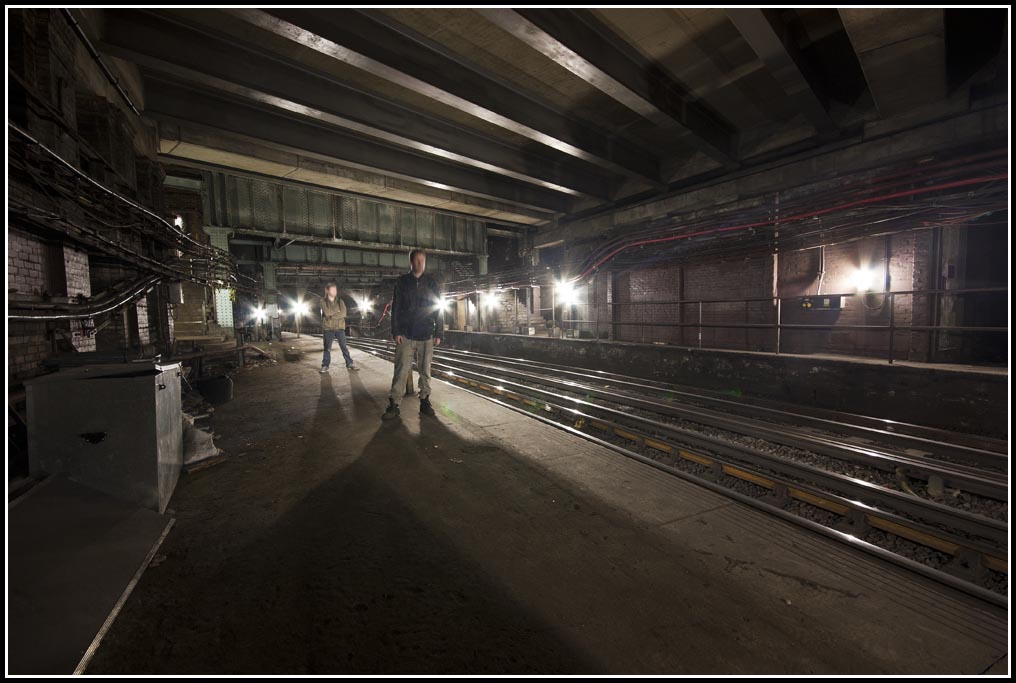
Deeper and deeper we dived headfirst into London’s underground network. With a list of many we narrowed our choices and planned our next attack, operation Kings Cross was a go. Ok, so this particular abandoned station is no more then 10 meters underground and half of it sits outside without a roof, but it still counts!

Much like its drains Stockholm’s metro is a mixture of concrete and rock blasted tunnels. The network comprises of seven lines all with sections running under and aboveground, spanning roughly 100km. Sounds good right?. However it is not easy to access, or at least not anymore.

In London, thanks to Bazalgette and the LCC’s burial of its rivers and streams, culverts are a rarity and few have escaped integration into the cities sewer system. The Beverley Brook Storm Relief Culvert, aka ‘Little Boys’ is a short 8ft diversion horseshoe culvert constructed in 1925 after repeat flooding to the Barnes and Putney area.


