
While draining in London, visitors always comment on how easy it is to navigate, for the most part this is true. With the exception of its lost rivers, mainline sewers in London are of a basic, single pipe affair. You tend to have your standard route from A to B, and if you want to go off the beaten track, it usually means wandering down 3-4ft side sewers.

After saying farewell to the brummies we headed to derbyshire to take a look at one of Dweebs recommendations. Draycott mine. As far as I am aware this was originally a train tunnel which had to be closed due to a cave in near the north entrance. A mining firm saw this as an opportunity and purchased the tunnel from the rail network. They then proceeded to sink audits and new faces off the side of the train tunnel and thus a new mine was formed.

The Bombings of 1940 forced a reappraisal of deep-shelter policy and at the end of October the Government decided to construct a system of deep shelters linked to existing tube stations. London Transport was consulted about the sites and required to build the tunnels at the public expense with the understanding that they were to have the option of taking them over for railway use after the war.
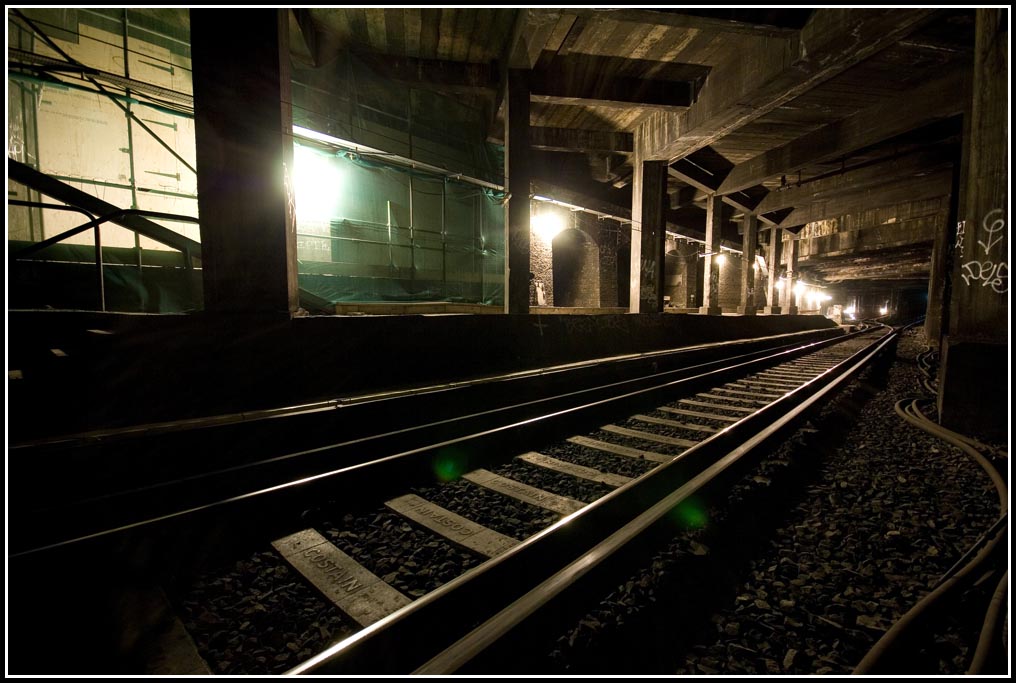
Probably the biggest mission we have ever undertaken. Countless attempts, lots of research into possibilites around 6 trips and countless cheeky bonuses we were in!

Optimus Prime was first discovered by Userscott and Stepping lightly whilst on there quest for Manchester’s underground crypts and chamber, but surprisingly enough they never really thought twice about the monster tunnel we stood in. It was always just a means to an end.

For a while now Manchester has been a dormant draining city. The initial explores seemed to satisfy all those who traveled there. The likes of Gorton Falls, Works and Processor were enough to deter any wayward worrier for exploring off the beaten track, and so it slept.


